
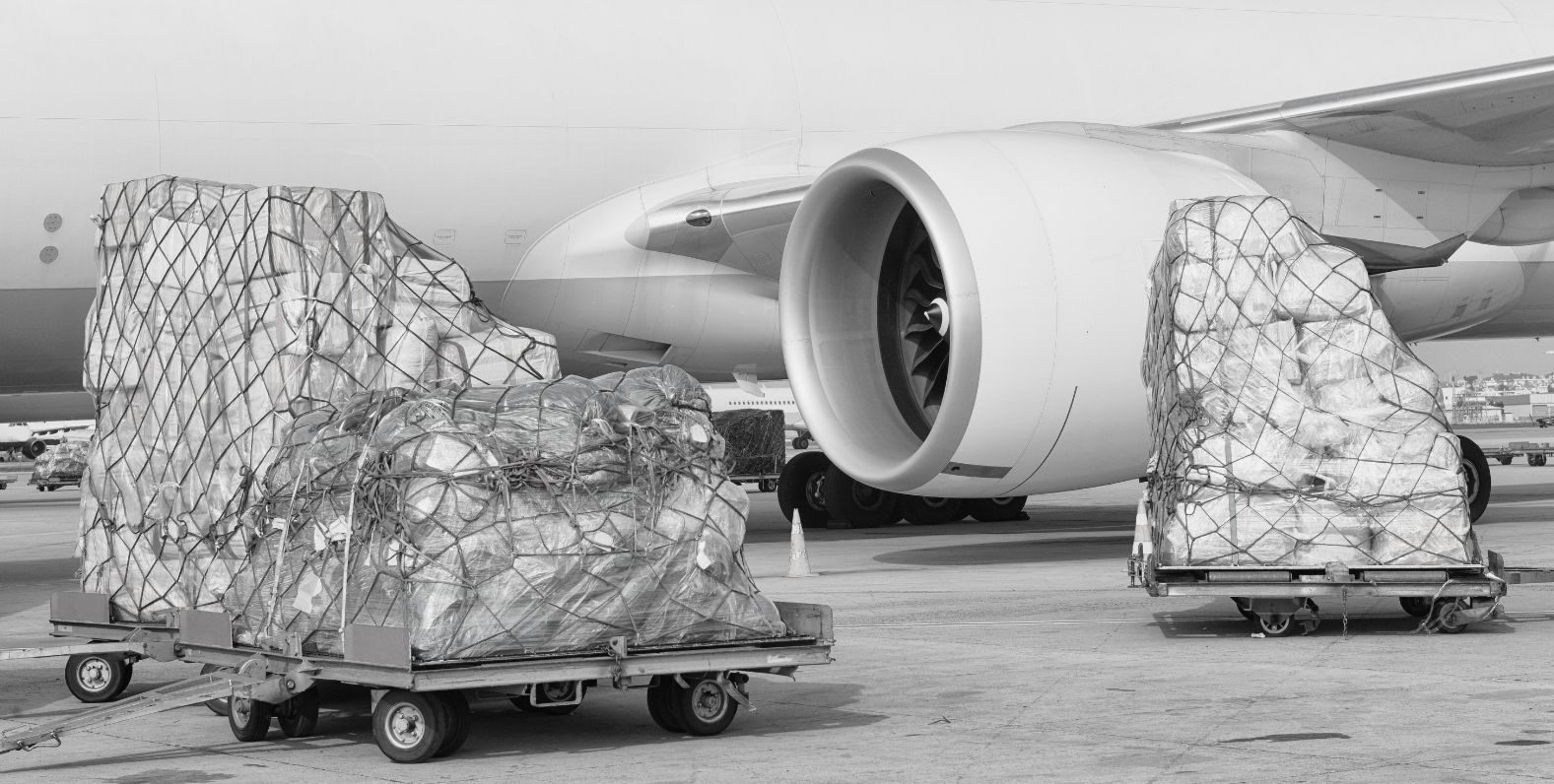
Air Cargo Market Review: Implications for Corporate Strategy
From the Cognos Global Partners Transportation and Logistics Group
Air Cargo Market Review Part 2: The Implications for Corporate Strategy
Aviation faces a structurally tight but growing market that creates strong opportunities in pricing power, value‑added services, and consolidation, but also serious execution risk around capital, integration, and technology adoption; targeted acquisitions and automation/digitalisation are becoming key tools to manage the demand–capacity mismatch rather than optional extras.[1][2][3]
Industry‑wide opportunities and challenges
Opportunities
- Sustained demand vs. constrained capacity supports above‑trend yields and margins in both passenger and cargo, especially on long‑haul and high‑value freight lanes.[4][5][1]
- OEM production backlogs and persistent supply‑chain bottlenecks create multi‑year visibility for manufacturers, MROs, and conversion houses, supporting long‑term investment cases.[2][3]
- Structural labour shortages give well‑capitalised, productivity‑focused players a chance to differentiate on reliability and on‑time performance rather than just on price.[3][2]
Challenges
- Record backlogs plus labour and parts constraints mean deliveries will lag demand through at least 2030, keeping fleets older and maintenance‑[2][3]
- Airlines, integrators, and shippers must manage volatile freight rates and capacity allocation, with the risk that downturns in trade or geopolitics quickly flip tightness into overcapacity on specific lanes.[5][4]
- Decarbonisation pressures (SAF blends, ETS/CORSIA, fleet renewal) add cost and technical complexity on top of existing supply constraints, raising the bar for capital allocation and technology bets.[6][4]
Suppliers to Airbus/Boeing and the wider supply chain
Tier‑1/2 suppliers and component makers
- OEMs are pushing for rate increases, but suppliers are held back by skilled labour gaps, financing needs, and single‑source dependencies; many smaller shops struggle to fund capacity and digital upgrades.[3][2]
- This environment favours scale: larger suppliers with diversified programmes and stronger balance sheets can win share and negotiate better long‑term agreements, especially where they de‑risk OEM bottlenecks (e.g., engines, structures, complex systems).[2][3]
MROs and aftermarket
- Consolidation in MRO has been underway for years and continues as airlines prefer integrated “one‑stop” providers that can guarantee slots and TAT amid labour constraints.[7][8]
- Vertically integrated players that combine parts manufacturing, repair, and digital fleet management (e.g., health monitoring platforms) can capture recurring, high‑margin service revenues.[8][7]
For smaller suppliers, the main opportunity is to become part of these integrated networks (via partnerships or being acquired), while the challenge is loss of bargaining power and higher compliance/technology requirements.[7][8]
Operators (airlines, integrators, cargo carriers)
Opportunities
- Tight capacity allows carriers with access to aircraft and MRO slots to secure premium contracts from shippers and forwarders, particularly on constrained lanes like Asia–Europe and Africa–[1][4]
- Older fleets kept in service longer create demand for creative fleet management (leases, conversions, life‑extension programmes) that can be economically attractive if maintenance risk is well managed.[8][3]
Challenges
- Reliance on a few OEMs and large MRO groups increases counterparty risk; delays in parts or heavy checks can ground high‑revenue aircraft, directly constraining growth.[3][2]
- Labour shortages at suppliers and MROs translate into longer maintenance downtimes and less flexibility to redeploy capacity, forcing operators to hold more operational reserve or accept higher disruption risk.[2][3]
Operators that invest in collaborative planning, data sharing, and co‑developed maintenance programmes with key suppliers are better placed to secure priority in a constrained system.[7][8]
Shippers and logistics intermediaries
Opportunities
- High and somewhat volatile air freight costs make supply‑chain design a C‑suite issue; this opens the door for logistics providers offering end‑to‑end optimisation, multimodal solutions, and visibility tools.[4][5]
- Shippers with stable, high‑value volumes can lock in capacity and rates via long‑term agreements, gaining resilience versus spot‑market dependent competitors.[5][4]
Challenges
- SMEs and low‑volume shippers are exposed to capacity squeezes and price spikes, especially on lanes dominated by a few integrators or where passenger recovery is slower.[4][5]
- Environmental and ESG expectations push shippers to decarbonise logistics, but SAF and newer aircraft capacity are limited and expensive, forcing trade‑offs between cost, service, and emissions.[6][4]
Freight forwarders that can blend dedicated lift, belly capacity, and predictive analytics to smooth these trade‑offs will gain strategic importance in customers’ networks.[5][4]
The role of M&A and technology deployment
Should the industry pursue corporate acquisitions?
- Evidence from aerospace and MRO shows continued consolidation and vertical integration as a strategic response to bottlenecks, giving larger groups more control over critical parts, data, and skills.[8][7]
- For suppliers, acquisitions can: secure key capabilities (e.g., machining, composites, avionics repair), add scarce engineers, and expand geographic footprint to mitigate single‑site risk.[8][2]
- For airlines and cargo operators, targeted deals (e.g., buying a line‑maintenance or component shop, or a niche cargo carrier) can secure access to maintenance capacity and specialized fleets.[7][8]
Key M&A challenges
- Integration risk is high: differing certification regimes, ERP/MES systems, and union/works‑council structures can dilute synergies and distract management at a time of operational stress.[7][8]
- Regulators may scrutinise deals that further concentrate critical capabilities or reduce competition in specific component or MRO niches.[8][7]
Where technology deployment makes the biggest difference
- Automation and advanced manufacturing (robotics, additive manufacturing, digital twins) can raise throughput per worker and reduce dependency on scarce skills, but require substantial upfront capex and careful integration into certified processes.[3][2]
- Digital MRO and predictive maintenance platforms (like Airbus’s Skywise‑type solutions) use health‑monitoring data to optimise shop visits, shorten TAT, and better allocate limited labour and parts.[8]
- AI‑driven planning and inventory optimisation can reduce schedule disruptions and buffer stock, alleviating some of the effective capacity loss from labour and parts shortages.[2][8]
Practical implication for businesses
- For mid‑sized suppliers and MROs, a combined strategy of selective acquisitions (to gain scale/capabilities) and focused technology deployment (automation, digital workflow, analytics) is a credible way to stay investable and relevant in a tight, consolidating value chain.[2][7][8]
- For operators and shippers, partnering with or investing in tech‑enabled, vertically integrated service providers is often more effective than trying to build full capabilities in‑house, given certification, cost, and labour constraints.[7][8]
In summary, using M&A and technology as tools to control bottlenecks, improve productivity, and secure critical capabilities is increasingly necessary to navigate the structural supply–demand mismatch, but success depends on disciplined deal selection, realistic integration plans, and tight alignment with regulatory and workforce realities. [3][2][8]
Stay tuned for Part 3: Artificial intelligence and E-commerce in the Air Cargo Market, coming soon…